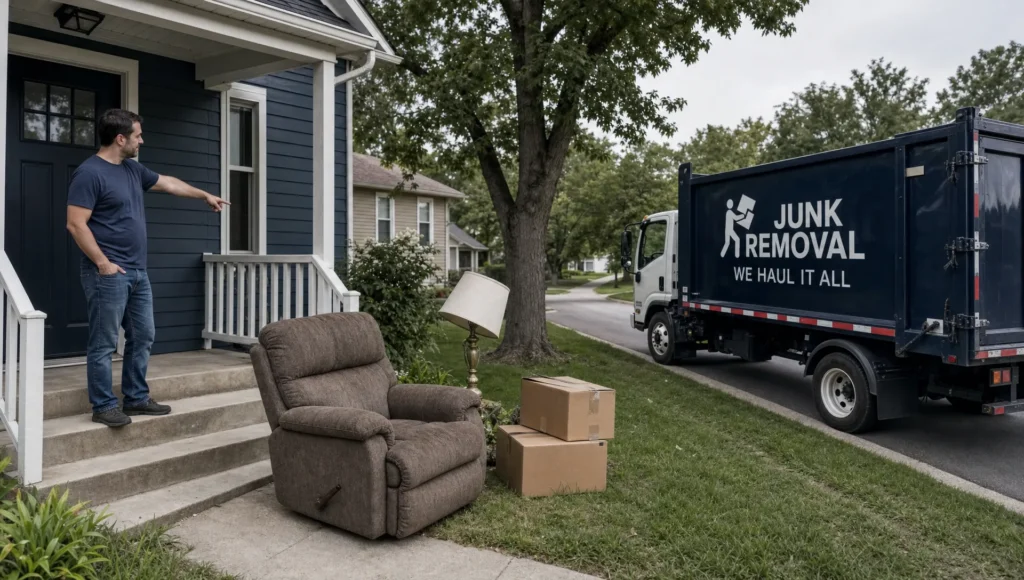
A homeowner searching for someone to haul away a broken couch usually wants a quick answer: do you serve their area, can you handle the item and how soon can you collect it? Local SEO for junk removal companies should make those answers easy to find, then give the customer a clear way to call or request an estimate.
More traffic alone will not fill your trucks. You need nearby customers with jobs you can accept, enough information to quote accurately and a website that turns interest into booked pickups. Here is how to build that system.
Build Local SEO for Junk Removal Companies Around Bookable Jobs
Start with the work you actually want. Furniture removal, rental property cleanouts and construction debris pickup can have different equipment needs, disposal costs and profit margins. Your website should not treat them as interchangeable.
Decide which services and locations deserve the most attention based on your capacity and business goals. A company equipped for full-property cleanouts should not build its entire online presence around single-item pickups unless those jobs make financial sense.
Match your pages to specific customer needs. Someone searching for “mattress removal near me” needs different information from a property manager arranging an eviction cleanout.
For each priority service, answer four questions:
- What do you remove? Name the items or materials you accept.
- Where do you work? Describe your real pickup territory.
- What affects the estimate? Explain volume, weight, access and disposal considerations.
- How does someone book? Provide a visible phone number and a straightforward quote request.
This approach helps attract relevant searches while filtering out requests you cannot serve.
Set Up Your Google Business Profile Correctly
Your Google Business Profile helps customers find you in Maps and local search results. According to Google’s explanation of local ranking, results mainly depend on relevance, distance and prominence. Accurate information helps Google understand your business, but no profile edit eliminates the distance factor.
Choose accurate categories and services
Use your actual business name, without adding city names or service keywords that are not part of it. Choose the most accurate available primary category, such as “Junk removal service” where offered.
Add services you genuinely provide. Furniture removal, garage cleanouts and appliance pickup are useful distinctions when they reflect your work. Do not list hazardous waste removal, demolition or other services simply because those searches look valuable.
Keep your phone number and operating hours accurate. If weekend collections require advance booking, explain that rather than implying you are always available.
Match your address setup to how you operate
Address visibility depends on whether customers visit your business. A fixed-location practice such as Metro Dental on Swanston Street gives patients a destination. A junk removal business that only visits customers operates differently.
If customers do not visit your base, hide the address and configure your service area according to Google’s business eligibility and representation guidelines. Google may still require an address for verification.
Do not create listings for virtual offices or every town you serve. Adding service areas also does not guarantee visibility throughout that territory. Expand your coverage through legitimate operations and useful website content, not extra profiles that fail Google’s requirements.
Show evidence of actual work
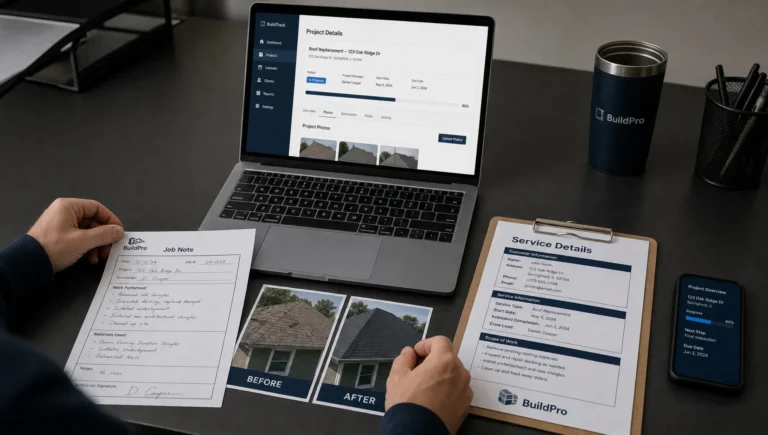
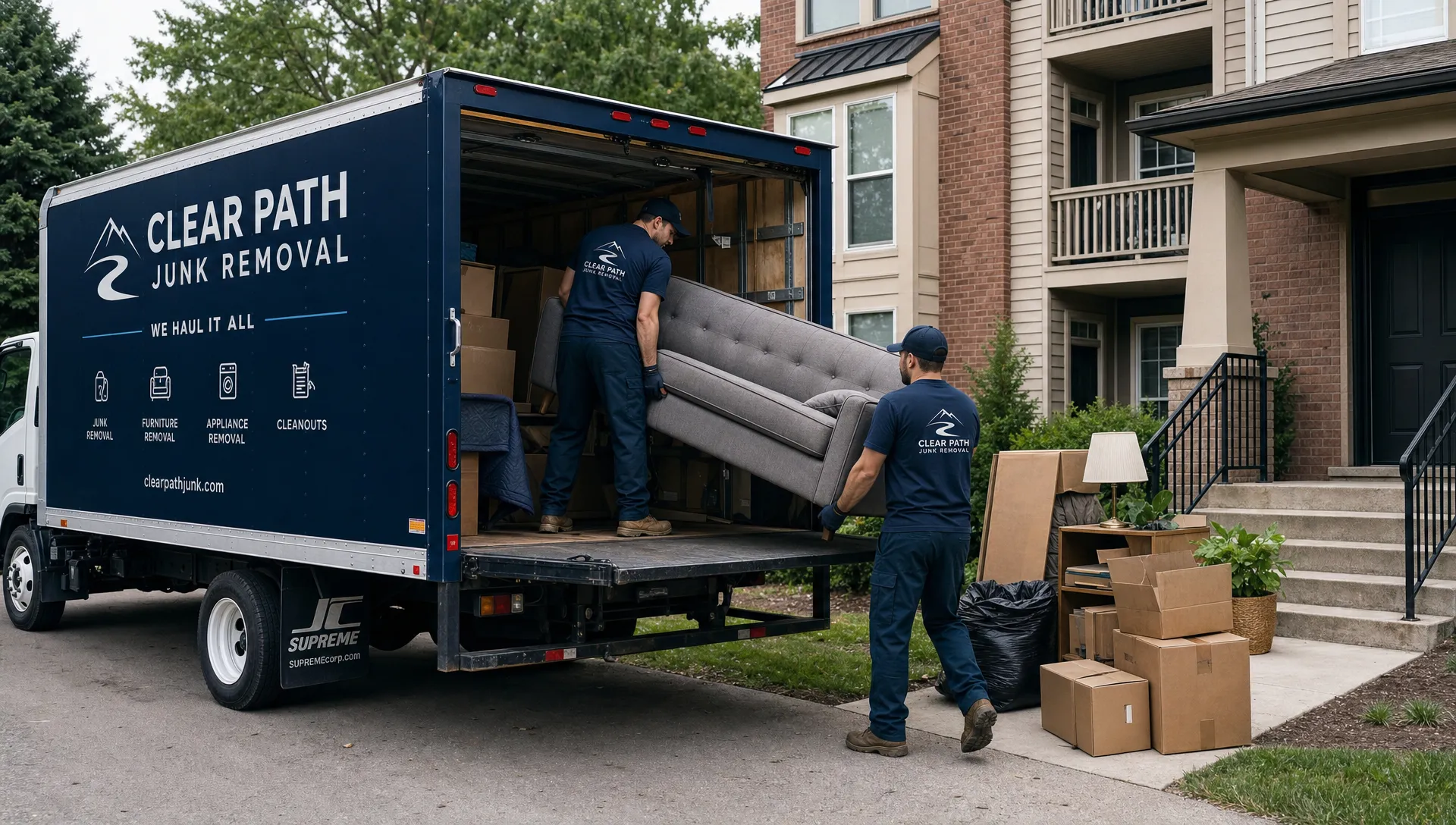
Upload original photos of your truck, crew and completed cleanouts. Before-and-after images help customers understand what you handle, especially for bulky items or heavily cluttered spaces.
Get permission before showing private property. Avoid visible house numbers, personal documents and identifiable belongings. Photos should demonstrate your work without exposing a customer’s situation.
For more detail on profile improvements, our guide to getting more calls from Google Maps without ads covers the broader process.
Create Service Pages That Help Customers Request an Estimate
A single page listing everything from couches to commercial clearances leaves important questions unanswered. Build dedicated pages for services that have distinct customer needs and matter to your business.
| Service page |
Information customers need |
Useful proof |
| Furniture removal |
Items accepted, stairs, disassembly requirements and pickup process |
Photos of completed furniture pickups |
| Appliance removal |
Appliance types accepted, disconnection requirements and handling restrictions |
Examples of appliances your crew has collected |
| Estate cleanouts |
Scope, access arrangements, scheduling and how retained items are identified |
Permission-based cleanout examples |
| Construction debris removal |
Accepted materials, weight considerations and excluded waste |
Photos showing the materials you actually handle |
Explain your pricing method without inventing a universal price. If you quote by truck space, describe how volume affects the estimate. If heavy materials, difficult access or special disposal requirements can change the price, say so before someone books.
Location pages should also earn their place. A page for a town you regularly serve can explain pickup coverage, relevant access issues and examples of completed work. Copying one page and replacing the city name adds little value.
For apartment-heavy areas, useful details might include elevator reservations, loading access and coordination with building management. Those specifics help customers prepare and reduce surprises for your crew.
Make Your Website Turn Visits Into Calls
A customer should not have to navigate through a long company history to find your number. The top of each important page should identify the service, coverage area and next step.
“Furniture Removal in [Service Area]” is clearer than a vague headline about transforming spaces. Follow it with a short explanation of what you collect and a prominent call or estimate button.
Remove friction on mobile
Test the website on an actual phone. Tap the phone number, submit the form and check whether anything blocks the buttons. A mobile-responsive layout is not enough if the contact process is awkward.
Keep image files reasonably sized so project galleries do not slow down the page. Avoid intrusive pop-ups and forms that demand unnecessary information before a customer can ask about a pickup.
If you offer urgent collection, make the conditions clear. Advertise same-day availability only when you can honor it, with any scheduling limitations explained nearby. Our guide to building an emergency service page that gets calls explains how to handle time-sensitive requests without overpromising.
A useful estimate form captures the item or cleanout type, ZIP code, access conditions and preferred timing. Offer photo uploads if your website supports them.
Photos can help you estimate volume, but explain when the final price will be confirmed. A narrow staircase, hidden materials or an unexpectedly heavy load can change the work involved.
State your exclusions clearly. If you do not accept paint, chemicals or certain electronics, say so. Where special handling applies, check local requirements before publishing disposal advice or promising collection.
Junk removal customers let your crew onto their property and often need confidence that the job will be handled carefully. Reviews can help answer that concern.
Ask customers consistently after completed jobs, rather than requesting reviews only from people you expect to give five stars. Do not offer incentives, write reviews for customers or tell them which keywords to use.
Respond professionally. When a complaint appears, address the issue without publishing private details about the customer, their property or their belongings.
Keep your business name, phone number and public-facing business information accurate across relevant directories. Fix duplicate or outdated listings instead of purchasing large batches of low-quality directory placements. For a service-area business, follow each platform’s address rules rather than publishing a private home address everywhere.
Local relationships can also create legitimate visibility. Property managers, real estate professionals and community organizations may refer suitable jobs. Pursue relationships that make business sense, not arrangements built only to exchange links.
Measure Qualified Calls and Booked Pickups
The most useful question is not “Did website visits increase?” It is “Did we book more suitable work from the areas we serve?”
Track inquiries from your website and Google Business Profile, then record what happened next. Profile call-button clicks indicate an action, not necessarily a connected conversation or booked job.
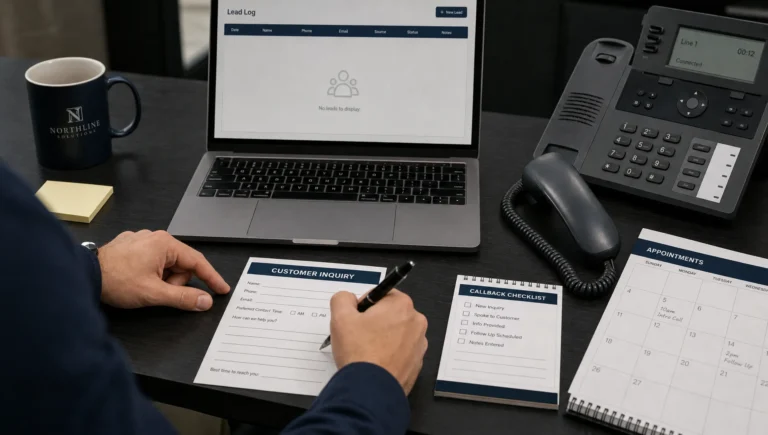
A simple lead log can capture the source, requested service, service area, whether you reached the customer and whether the job booked. Add the reason for lost opportunities, such as an unsupported item, unavailable pickup time or location outside your territory.
These details reveal what to fix. Repeated out-of-area requests may point to unclear coverage. Plenty of quote requests but few bookings may expose pricing expectations or slow follow-up. Calls about prohibited materials suggest your pages need clearer exclusions.
If you use call tracking, configure it carefully so customers can still reach a stable business number and your listings remain accurate.
Use AI to find patterns, not manufacture content
AI can help group anonymized inquiry notes by job type, identify recurring questions or flag unclear website copy. Remove names, addresses, phone numbers and other identifying details before submitting customer information to a tool.
Verify every recommendation against your actual operations. AI should not invent service areas, disposal rules, customer reviews or completed projects.
A missed call also needs a response process. Set realistic callback expectations and assign responsibility for following up. Faster replies can help you win existing opportunities, but they do not directly improve Google rankings. Our explanation of lead response times and local SEO separates those two outcomes.
A Practical First-Month Plan
Week 1: Fix accuracy and contact problems. Review your Google Business Profile, categories, address setup and hours. Test every phone link and inquiry form. Make sure someone receives and responds to requests.
Week 2: Improve your most valuable service page. Start with a service you want to book more often. Explain accepted items, coverage, access considerations and the estimate process. Add original project photos with permission.
Week 3: Strengthen trust. Introduce a consistent review request process and correct important directory errors. Remove unsupported claims about availability, disposal or coverage.
Week 4: Review lead quality. Look at which inquiries became jobs and why others did not. Use those findings to choose the next page or process improvement.
This is an implementation schedule, not a promise of first-month rankings. Local search results vary with competition, proximity and your existing online presence. Contact fixes can remove obstacles immediately, while search visibility improvements may take longer.
Frequently Asked Questions
How long does local SEO take for a junk removal company? There is no fixed timeline. Your starting position, competition and proximity to searchers all matter. Track qualified inquiries and booked jobs over time rather than expecting a guaranteed ranking by a particular date.
Do I need a page for every city I serve? No. Create location pages when you can provide genuinely useful local information. A smaller set of strong pages is more helpful than dozens of near-identical city pages.
Should I publish junk removal prices? Explain how you calculate estimates and what can change the price. Publish specific amounts only when they accurately represent your offer, with minimum charges or limitations clearly stated.
Can I rank across my whole service area with one Google profile? Not necessarily. Distance influences local results, and entering more service areas does not guarantee visibility in those places. Use an eligible profile and build useful service and location content on your website.
Turn More Local Searches Into Booked Jobs
Start with the biggest obstacle: inaccurate Google information, unclear service pages, a difficult mobile experience or unanswered inquiries. Fixing the weakest part of the process is more useful than redesigning a site purely for appearance.
Sleek Web Designs helps service businesses improve their websites, local visibility and lead generation through website optimization, local SEO and AI-assisted analysis. There are no long-term contracts. Request a website review to identify what is getting in the way of more qualified calls and pickup bookings.