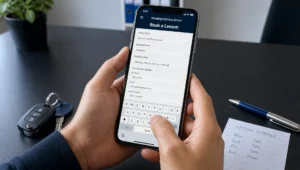
When someone nearby searches “donate clothes near me,” “food pantry open now,” or “nonprofit volunteer opportunities,” Google usually shows a map first. If your organization is not in those local results, you are invisible to people who are already ready to help.
Local SEO for nonprofits is not about chasing likes or traffic. It is about showing up at the exact moment a donor, volunteer, or community member is looking for a cause close to home.
What “local SEO” actually means for a nonprofit
Google has said local results are based primarily on relevance, distance, and prominence. That is straight from Google’s own documentation on how local search works.
For nonprofits, those three factors translate into:
- Relevance: Does your profile and website clearly explain what you do (food assistance, youth mentoring, animal rescue, etc.)?
- Distance: Are you close to the searcher, or do you serve their area?
- Prominence: Do you look trusted online (reviews, links, citations, press mentions, strong website)?
Local SEO is the system that improves all three so your organization gets found by donors nearby.
The fast win: get your Google Business Profile right
If you only fix one thing this month, fix this.
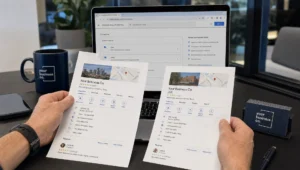
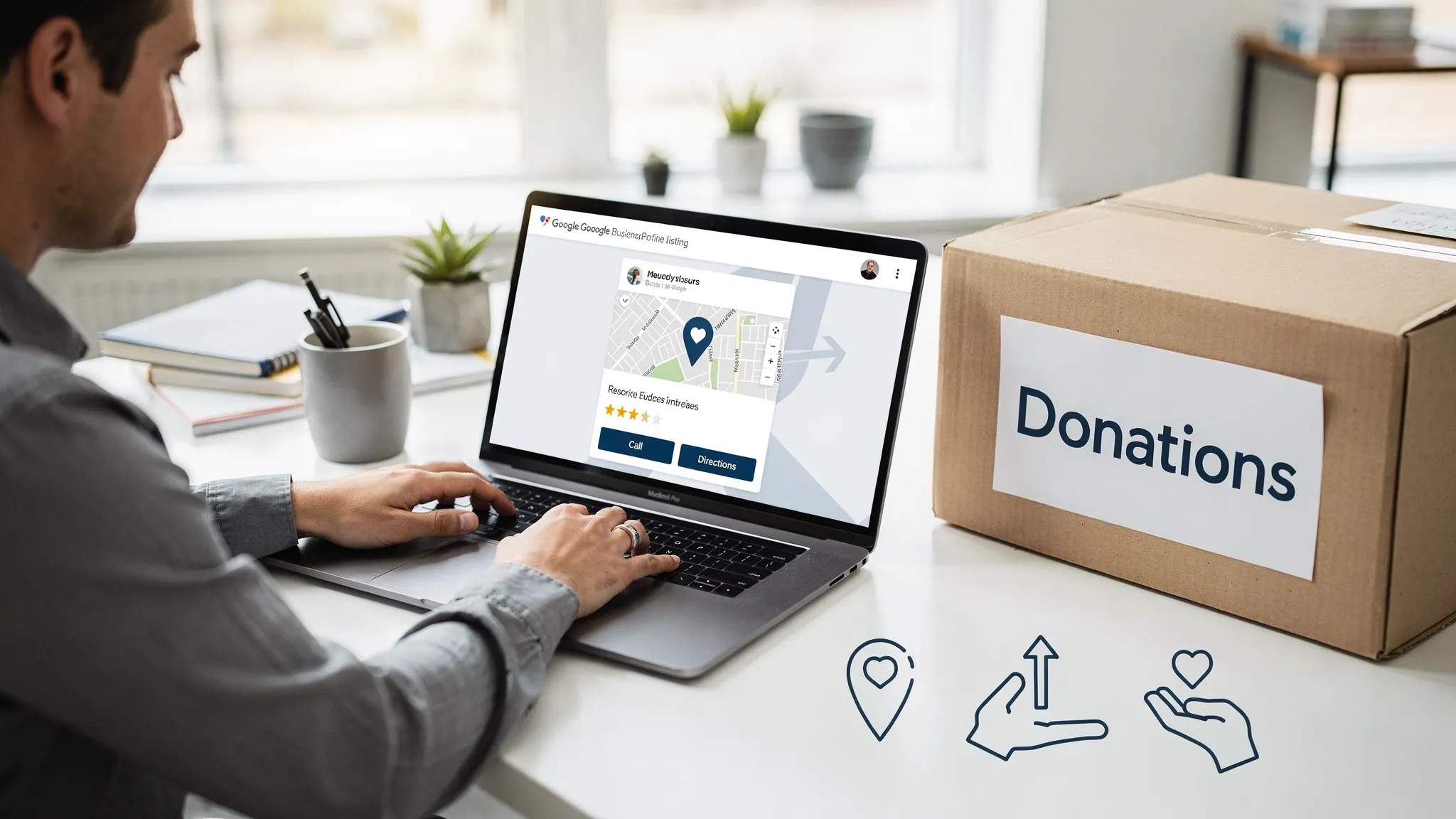
A complete, accurate Google Business Profile (GBP) gives you a chance to appear in Google Maps and the “local 3-pack” (the top map results). Start with Google’s Business Profile guidelines so you do not accidentally create spam signals.
GBP fields nonprofits should treat as non-negotiable
- Name: Use your real-world name (no keyword stuffing).
- Primary category: Choose the closest match available (this matters more than most people think).
- Hours: Keep them updated, especially for donation drop-offs, food distribution, and events.
- Phone and website: Make sure they match what is on your site.
- Address or service area: If you serve people at a location, show your address. If you are a service-area organization or have privacy concerns, you may be able to set a service area and hide your address (follow Google’s rules).
Turn your profile into a donor and volunteer driver
Your GBP should not just “exist.” It should push actions.
- Add photos that prove you are real (facility, team, events, impact in the community).
- Use Posts for upcoming drives, fundraisers, and volunteer days.
- Add a short, clear description that includes your core service and your city or neighborhood naturally.
- Fill out services or offerings where relevant (not fluff, just clarity).
- Watch the Q&A section. People ask questions there, and unanswered questions can cost you calls.
Fix NAP consistency so Google trusts your organization
NAP means Name, Address, Phone. If your nonprofit is listed as “Community Outreach Center” in one place, “Community Outreach Ctr.” in another, and your phone number is different on a third site, Google gets mixed signals.
What to do:
- Pick one official version of your name, address, and phone number.
- Update your website first (this becomes your source of truth).
- Clean up the major directories and local listings where donors might find you.
This step is not glamorous, but it directly supports prominence and reduces ranking friction.
Build website pages that match local intent (not generic mission statements)
A lot of nonprofit websites are well-meaning but vague. For local SEO, you need pages that match what people actually search.
Pages that usually perform well for local nonprofits
- Donation page with clear options (what you accept, drop-off rules, where to donate, hours, parking info).
- Volunteer page with roles, requirements, and a simple sign-up path.
- Programs or services pages (one page per program is often better than one page listing everything).
- Events pages for major annual fundraisers or ongoing community events.
- Location or service area page that clearly states who you serve and where.
A good rule: if the page cannot answer “Can you help me, and how do I support you?” in under 10 seconds, it is not doing its job.
Add the local details people care about
Local donors and volunteers look for specifics:
- Neighborhoods you serve
- Eligibility requirements (if any)
- What to bring (ID, documents, items accepted)
- Where to park, where to enter, accessibility info
- Who to contact
This content improves conversions and makes your page more relevant for local searches.
Use “local content” to earn visibility and trust
You do not need to publish three blog posts a week. You need a few pieces of content that make it easy for Google to understand your impact in a specific area.
Examples that work:
- Recaps of community events with photos
- Local partner spotlights (schools, churches, businesses, other nonprofits)
- “How to help” guides tied to your city (seasonal drives, emergency resources, back-to-school)
- A short FAQ page that answers questions people ask before they donate or volunteer
If you are stuck, this is one place where AI can help without hype. Use AI to generate a list of real donor questions, draft outlines, and spot content gaps, then have a human on your team edit for accuracy and tone.
Reviews matter for nonprofits (yes, even if you feel awkward asking)
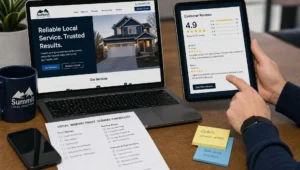
Reviews are not only for restaurants and contractors. Reviews are a trust signal. They also influence clicks, calls, and direction requests.
The key is to request reviews ethically.
Good sources for nonprofit reviews:
- Volunteers
- Event attendees
- Board members
- Community partners
- Donors who are comfortable sharing feedback
Avoid putting pressure on people receiving services to leave reviews.
Also, respond to reviews. A simple, professional response reinforces credibility.
Earn local backlinks through partnerships (the most overlooked lever)
Local links are one of the strongest “prominence” signals you can earn. You do not need thousands. You need the right ones.
Where nonprofits often earn local links:
- Sponsor pages (events, runs, school fundraisers)
- Partner organizations (coalitions, community groups)
- Local news coverage
- Chamber of commerce or neighborhood association sites
- Vendors who support your events
If your nonprofit hires a storyteller or videographer to document a fundraiser or impact story, ask for a partner mention on their site. For example, a filmmaker like Stories by DJ understands how to present real stories in a way that builds trust, and partner features like that can also create a natural, relevant backlink.
Simple technical fixes that help you rank and convert
If your site is slow, confusing on mobile, or hard to navigate, you will lose donors even if you rank.
Focus on the basics that impact outcomes:
- Mobile-first design (most local searches happen on phones)
- Fast load times, especially for donation and volunteer pages
- Clear calls-to-action (Donate, Volunteer, Call, Get Directions)
- Clean navigation so key pages are never more than a click or two away
A practical local SEO checklist for nonprofits (prioritized by impact)
Use this table to prioritize what actually moves the needle.
| Priority | What to fix | Why it matters | What “done” looks like |
|---|---|---|---|
| Highest | Google Business Profile | Maps visibility, calls, direction requests | Verified, complete, correct categories, updated hours, photos, posts |
| Highest | Donation + Volunteer pages | Converts local visitors into actions | Clear details, local context, strong CTAs, easy forms |
| High | NAP consistency + listings | Builds trust with Google, reduces confusion | Same name/address/phone everywhere that matters |
| High | Reviews | Trust signal that improves clicks and conversions | Steady review velocity, real responses, no pressure tactics |
| Medium | Local links from partners | Strong “prominence” signal | Partner pages and local orgs link to your site naturally |
| Medium | Local content (events, updates) | Relevance for local searches, trust | A handful of pages/posts that show real local activity |
| Ongoing | Tracking + maintenance | Prevents backsliding | Monthly check of GBP, rankings, traffic, and conversions |
How to measure success (without drowning in metrics)
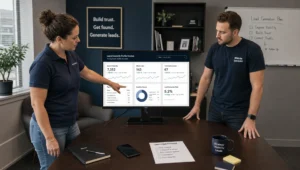
If local SEO is working, you should see more of the right actions, not just more visits.
Track:
- Google Business Profile actions (calls, website clicks, direction requests)
- Organic traffic to donation and volunteer pages
- Form submissions and phone calls
- Branded searches increasing over time (more people searching your nonprofit name)
If you are not sure where leads are coming from, start simple. Add a “How did you hear about us?” field to your volunteer and donation forms.
Frequently Asked Questions
Do nonprofits need a Google Business Profile? Yes, if you want to show up in Maps and local results. Even nonprofits without a traditional storefront can often qualify, but you must follow Google’s rules for address and service areas.
Can we hide our address on Google? Sometimes. If you do not serve people at your location, or there are safety and privacy concerns, a service-area setup may be appropriate. Do not guess, set it up according to Google’s guidelines.
How long does local SEO take for a nonprofit? You can see improvements from GBP fixes and page updates in weeks, but consistent local growth usually takes a few months. The timeline depends on competition, your current online presence, and how quickly you implement fixes.
Do reviews help a nonprofit rank? Reviews help with trust and clicks, and they can support local visibility. The bigger win is conversion. When donors see real feedback, they are more likely to take action.
What if our nonprofit serves multiple neighborhoods or cities? You can create clear service-area content and, if you have multiple legitimate locations, build location-specific pages and profiles. Avoid creating fake locations just to rank.
Want donors nearby to actually find you?
If your nonprofit is doing real work in the community but your website and Google listing are not generating calls, volunteers, or donations, you do not need “more marketing.” You need the right local SEO foundation.
Sleek Web Designs helps small organizations turn their websites into lead-generating systems through website optimization, local SEO, and AI-assisted analysis focused on outcomes (visibility, calls, sign-ups). No long-term contracts.
Get a straightforward plan to improve local visibility at Sleek Web Designs.